← Back to Work

Work / ESNTL Wellness

ESNTL Wellness —
Product Director

Role
Product Director (Product Design Lead → Product Director)
Company
Concentrix · Built with Apple
Dates
Mar 2022 – Aug 2024 · 2 yrs 3 mos
Team
Cross-functional global team of 15
Platforms
iOS · WatchOS · Desktop
20%
Increase in 30-day retention from MLP launch to V1

A first-in-class wellness platform, built with Apple

ESNTL Wellness is a first-in-class iOS, WatchOS, and desktop application that tracks biometric and reflection-based wellbeing data — for both the individual and the organization. It passively aggregates Apple Watch biometrics and pairs them with in-the-moment reflections, then surfaces the patterns back to people and their employers in a way no tool had before.

Apple brought the core idea and business case, anchored by a stark statistic: the life expectancy of a law-enforcement officer is just 58 years. Funded by Concentrix and built in direct partnership with Apple, ESNTL was an ambitious 0-to-1 product in a space with no clear incumbent.

This case study spans two and a half years and two intertwined bodies of work: designing and shipping the product, and building and leading the cross-functional team that spanned two very different company cultures and a global footprint.
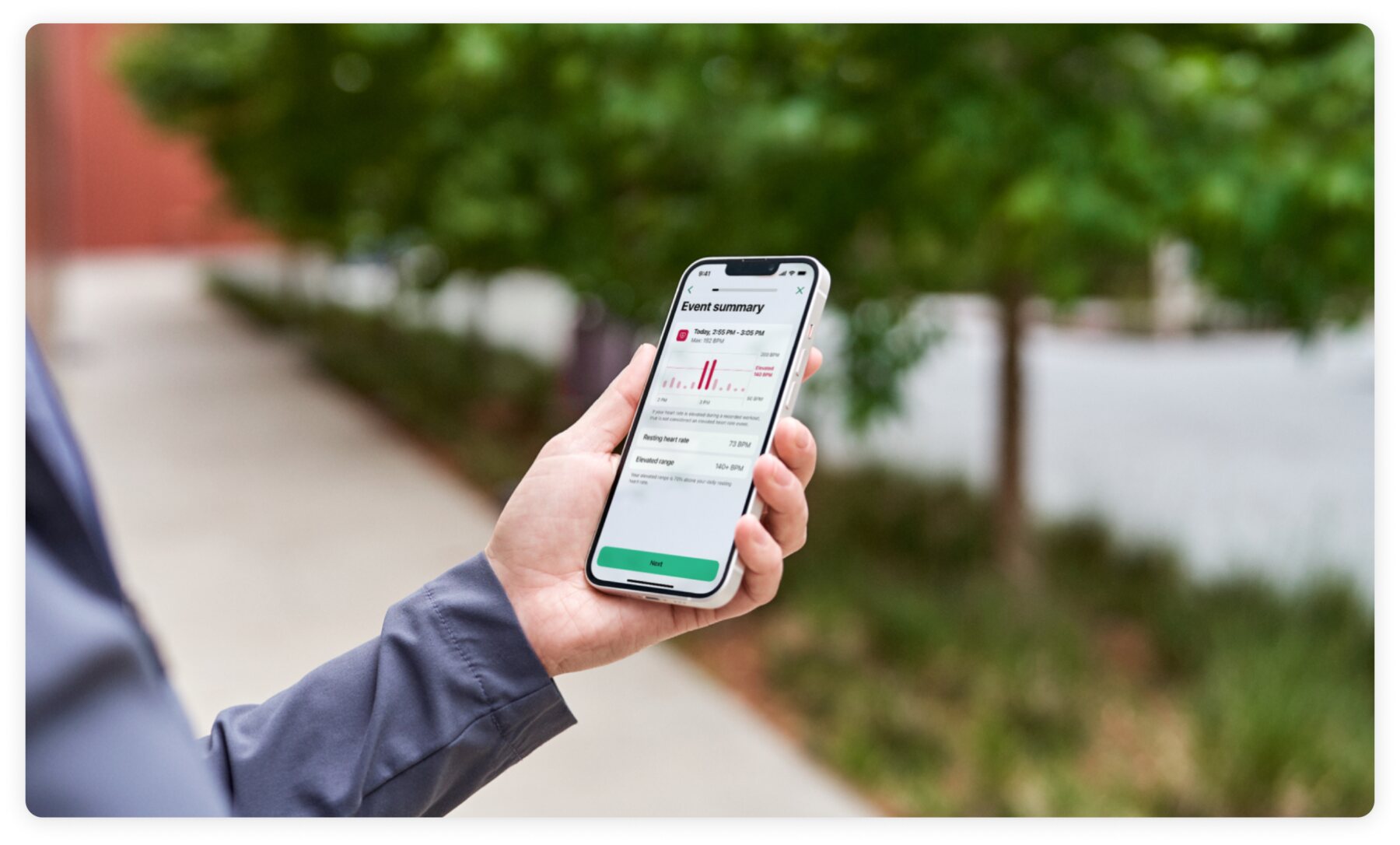
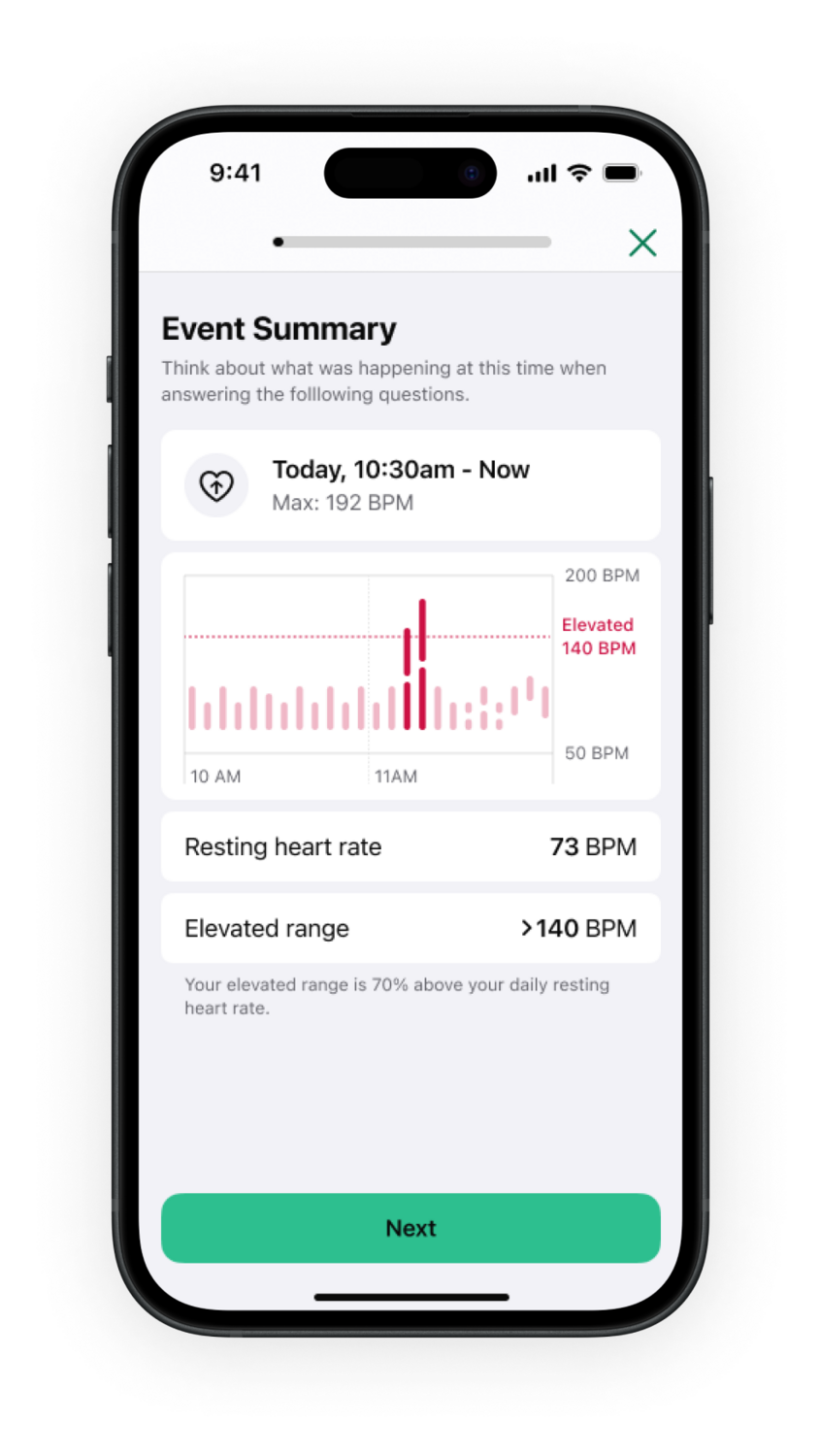
A user reviews an ESNTL elevated heart-rate event summary on iPhone

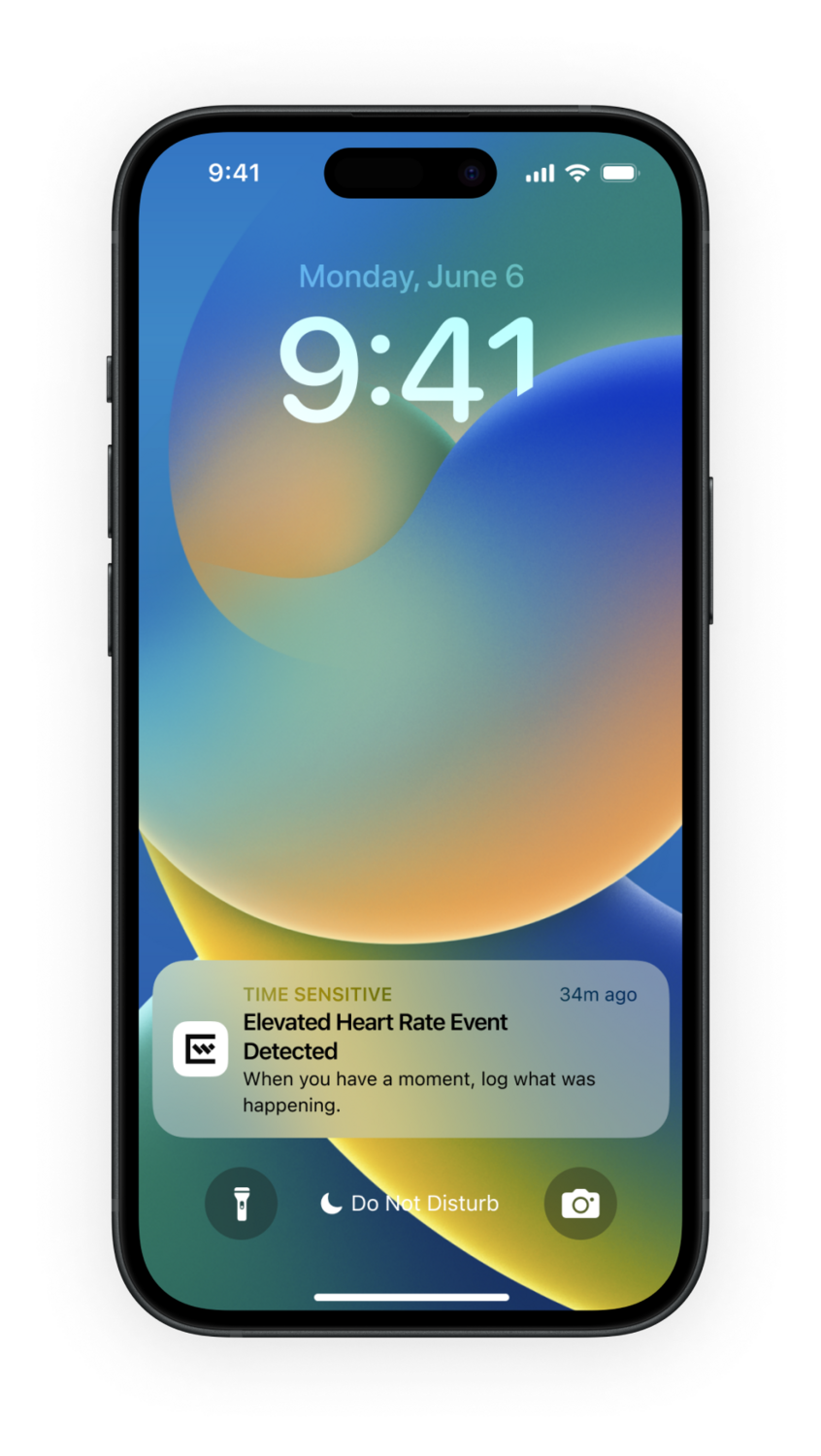
ESNTL surfaces an elevated heart-rate event in the moment — pairing biometrics with a timely reflection.
From Product Design Lead to Product Director

I joined ESNTL as Product Design Lead and, over two and a half years, grew into Product Director, directing the full 15-person product team — earning that scope by repeatedly stepping into the gaps no one else was filling. I defined the product vision, led a design team of two to six, drove user research in partnership with designers and researchers, owned the Apple relationship for the product team, and set the roadmap and prioritization.

When I stepped in, I inherited three compounding problems at once: no clear product vision or roadmap, a strained relationship with Apple stakeholders, and a team that was struggling. I addressed all three — and made the hard call to reshape the team and step fully into leadership, creating the conditions for good design to happen at all.

I led a cross-functional, globally distributed team of 15 in an ambiguous environment, leveraging individual strengths and fostering an inclusive culture. The executive teams at both Concentrix and Apple consistently noted that the team exceeded expectations. Building that team was the most rewarding work of my career so far.

Identify, design, and build the features that help people build awareness of their wellbeing — and make meaningful change

Organizations — especially first responders, healthcare workers, and school administrators — had no way to understand the impact of work stress on their people. The biometric data existed, but nothing connected it to workplace patterns in a meaningful, actionable way.

We had to build that for two audiences at once: an individual experience that turned biometrics and reflection into genuine self-awareness and behavior change, and an enterprise view that helped leaders understand their workforce's wellbeing. All of it first-in-class, with almost no precedent for what would work — and built under Apple's stringent privacy requirements.

Research-led, from feasibility to a shipped product

Building a first-in-class product meant we couldn't borrow a playbook. I anchored the work in four streams of understanding before committing to direction:

From that understanding we moved fast through proof-of-concept and early explorations — prototyping an admin-console POC, facilitating enterprise workshops, and iterating with users — then shipped the Minimum Lovable Product and evolved it toward V1.

The features that made ESNTL work

We shipped a Minimum Lovable Product — built on five foundational pillars: Resources, Summary, Insights, Deep Dives, and Reflections — then iterated toward V1 on what users and data told us.

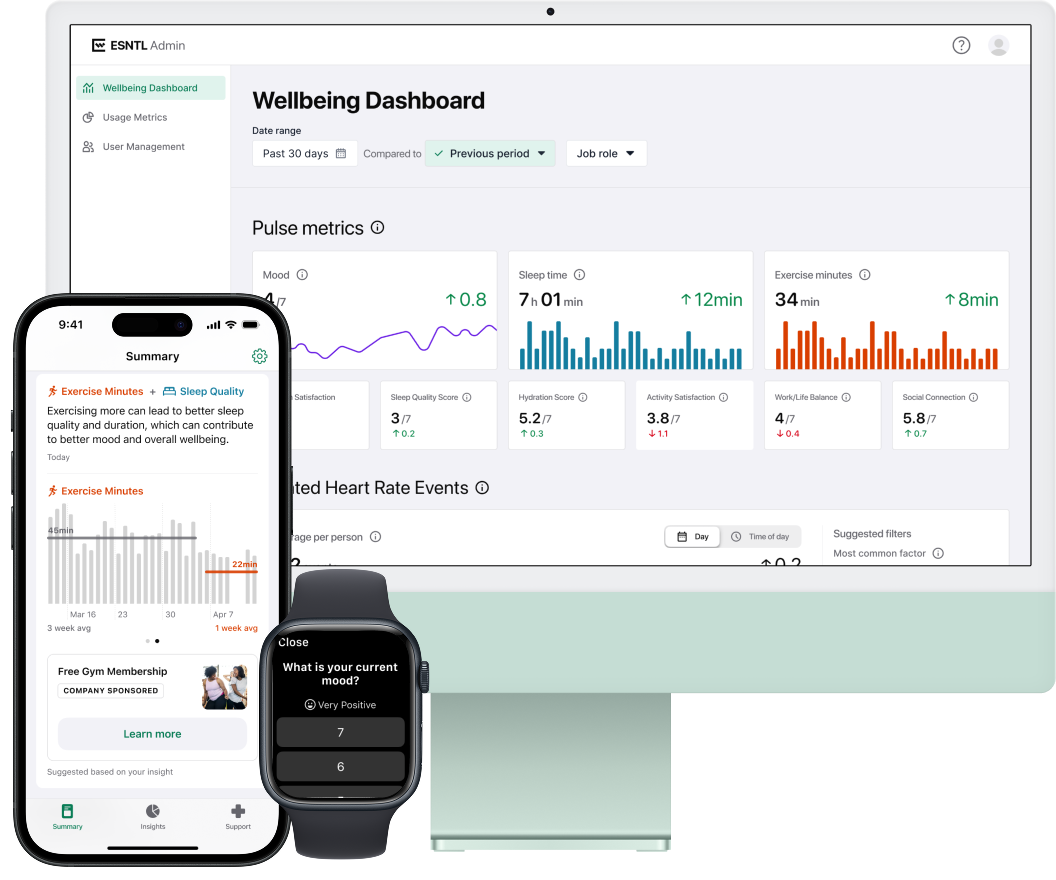
ESNTL across surfaces — wellbeing dashboard on desktop, summary on iPhone, and mood meter on Apple Watch

From there, the features I'm most proud of came from listening closely to users and data:

Reflection

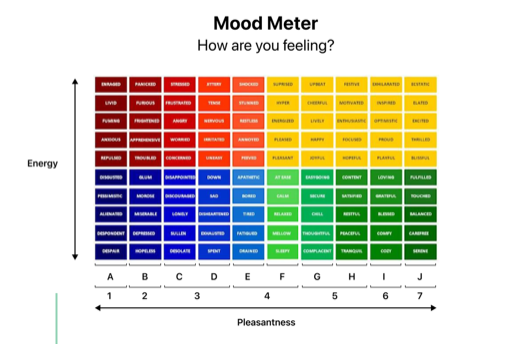
The Yale Mood Meter

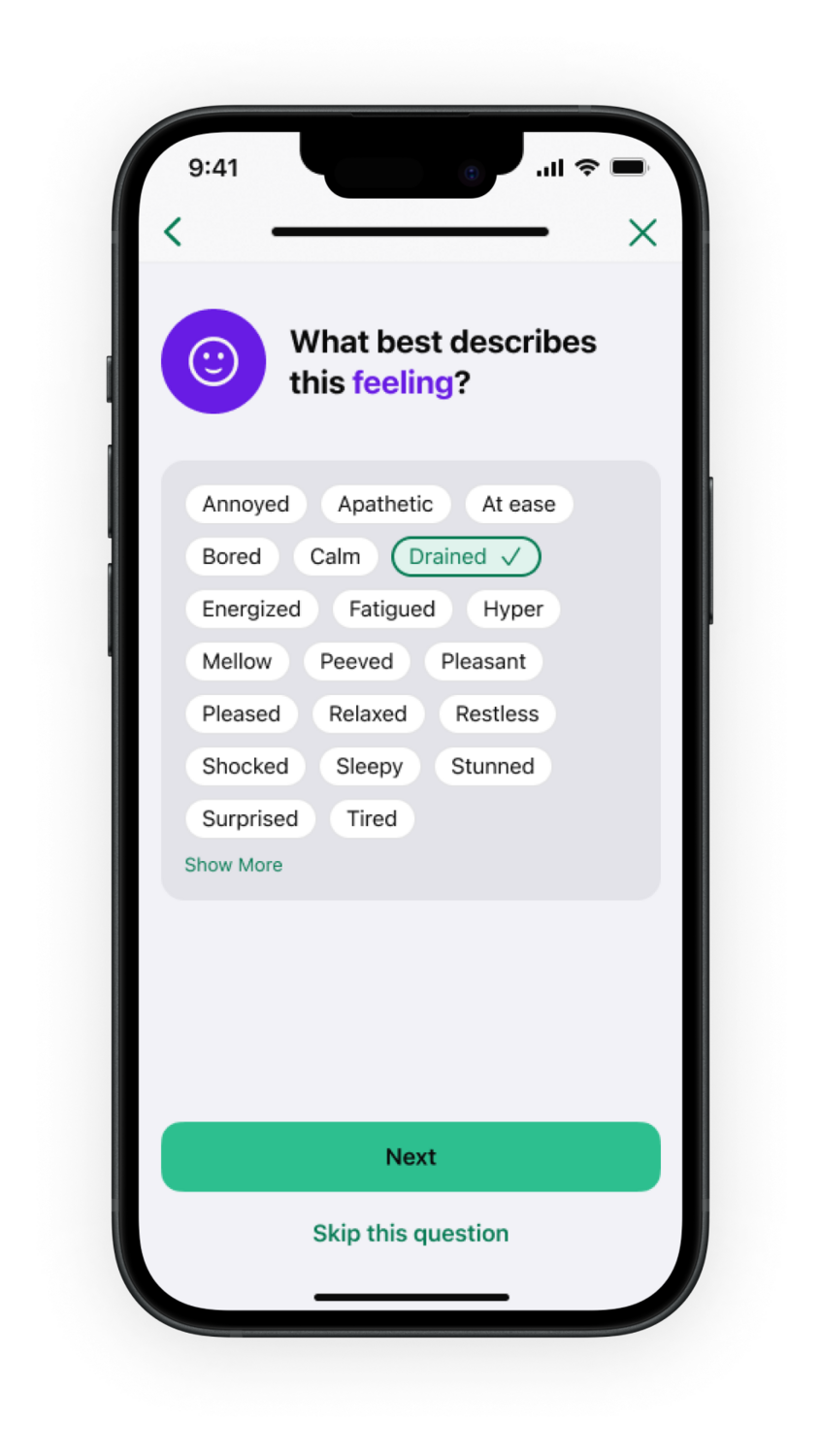
Adapted for both watch and phone to help users identify and name their feelings. Our first mood feature in the POC drew sharply negative feedback — describing emotions was outside our law-enforcement users' comfort zone — so we pivoted to the research-backed Yale Mood Meter, which gives people a structured, lower-pressure way to locate how they feel.

Yale Mood Meter — what best describes this feeling?
ESNTL event summary — reflecting on a moment that mattered

Ecological Momentary Assessments

Timely reflections on moments that matter

Research and clinical expertise told us reflections should happen as close to the moment as possible. We prompted users to reflect on elevated heart-rate events in the moment, helping them build awareness of how significant events were affecting them — physiologically and emotionally.

Engagement

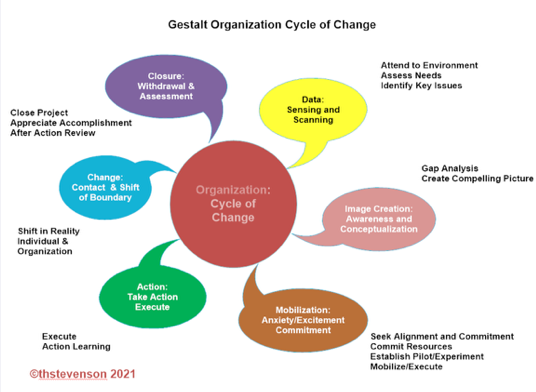
A daily cycle of change

The home experience changes throughout the day as users complete their check-ins, emphasizing the right reflection for where they are in their day. Meeting people in their own rhythm — rather than demanding a single daily ritual — kept the habit alive.

ESNTL landing screen that adapts through the day
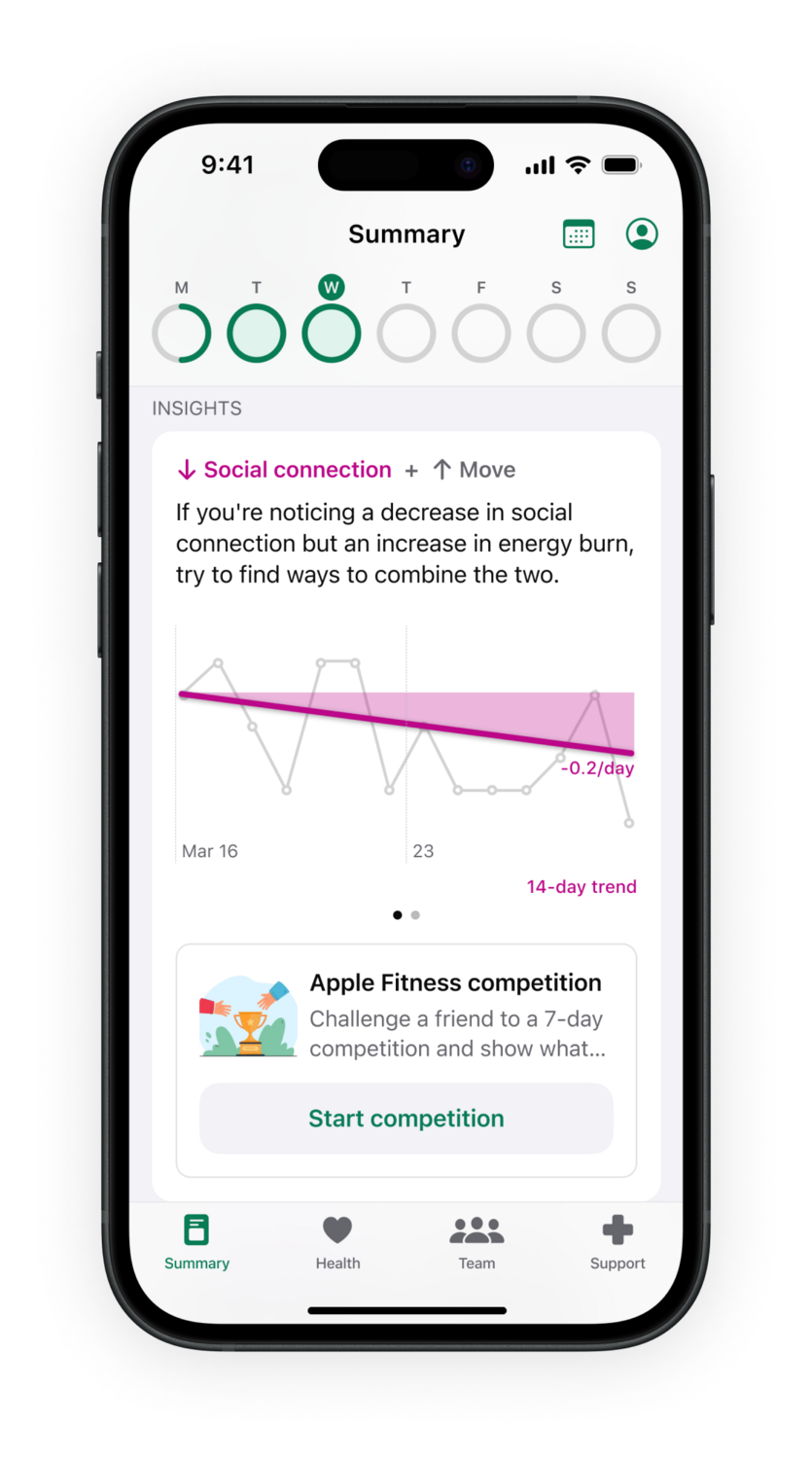
ESNTL insights on the landing page, with an Apple Fitness competition

Retention

Insights at a glance

Usage data showed users weren't clicking into Insights — and so weren't getting the app's core value. I moved Insights to the landing page, leading with the most meaningful features and leveraging Apple Fitness competitions to pull people back in.

Giving the enterprise a view it never had

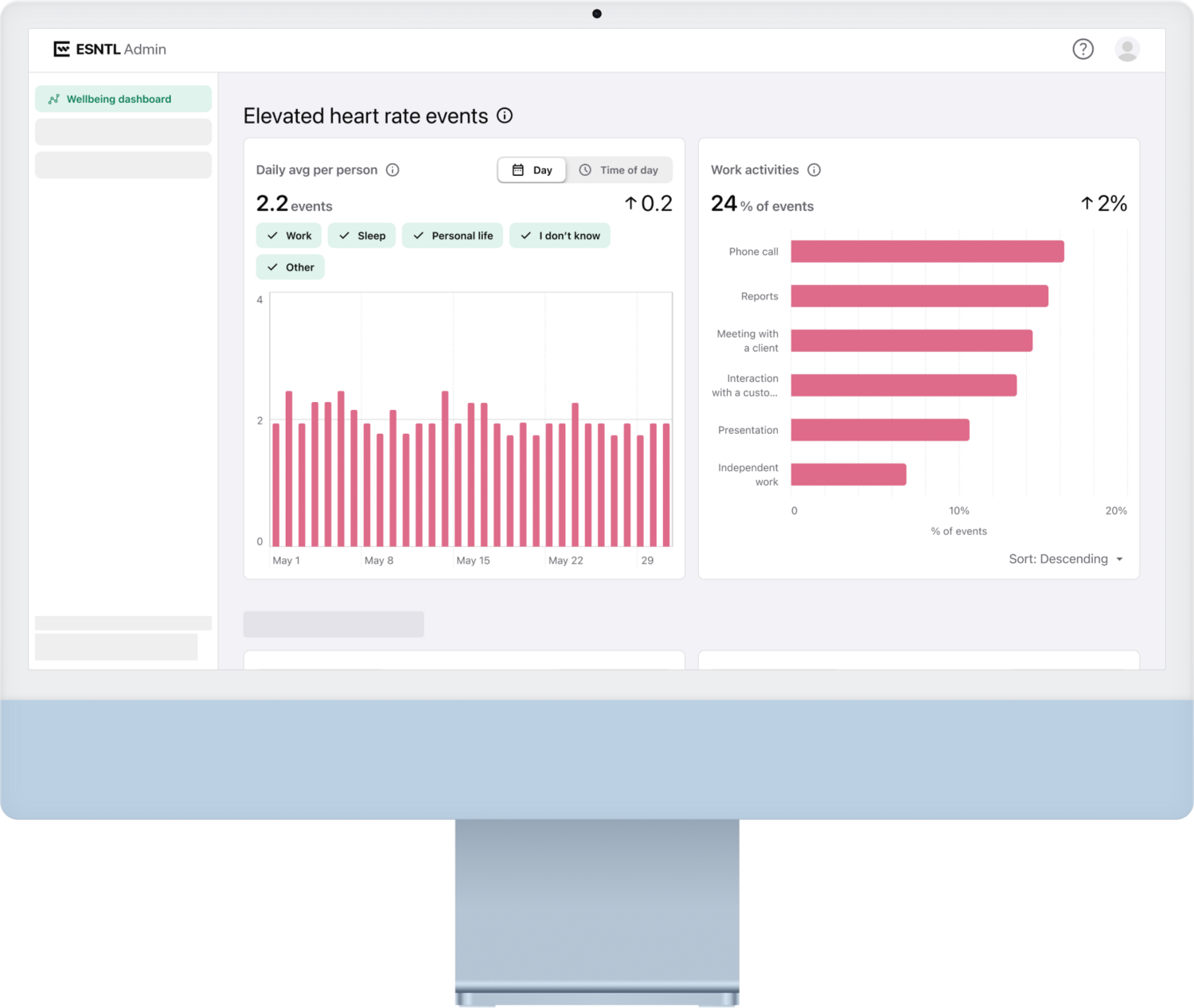
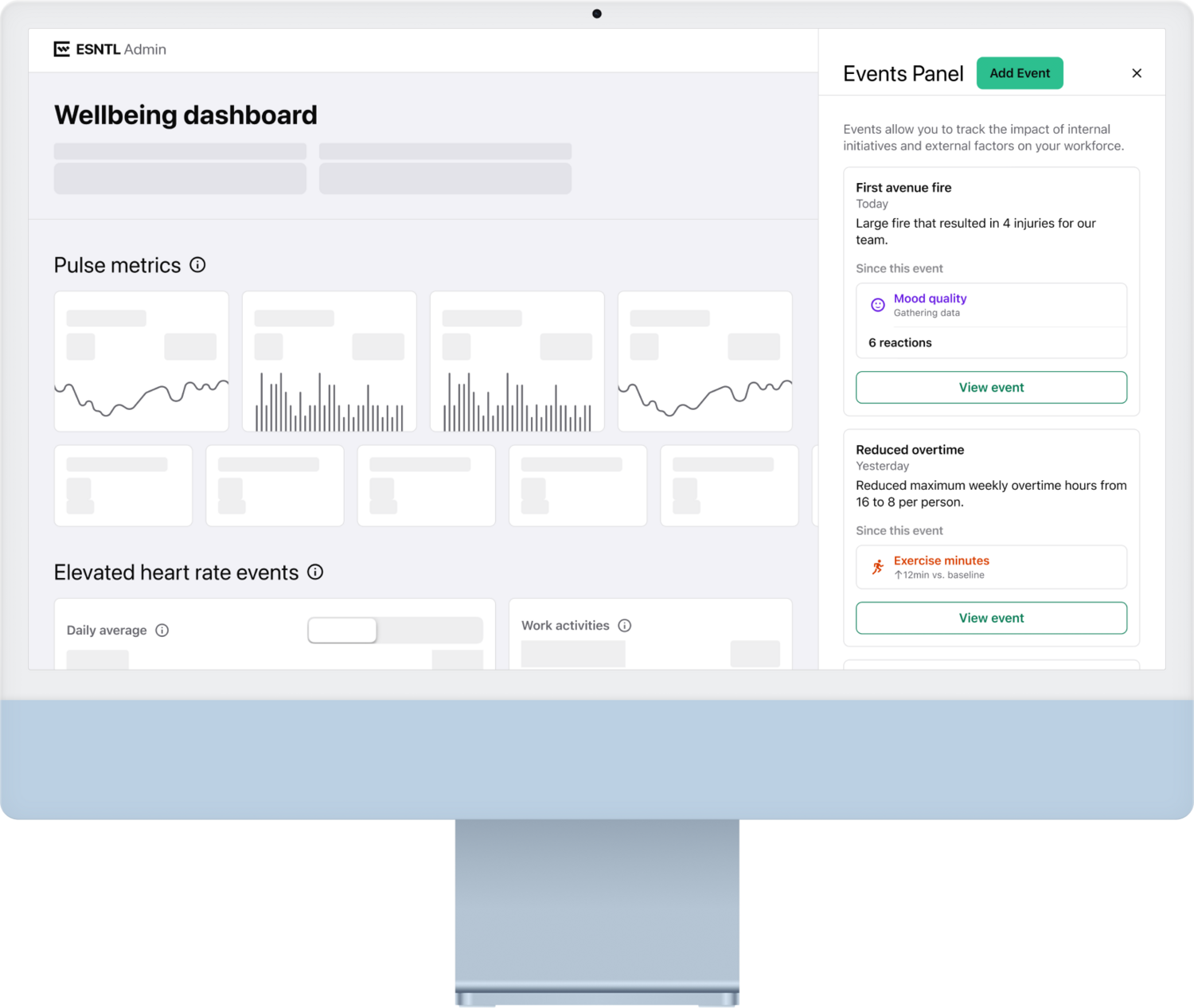
For organizations, I designed dashboards to identify stressors and trends across a workforce — filtering events by category and viewing by day or time to reveal when people experience workplace stress. Teams could also follow the impact of critical events, generated automatically from app data or added manually, to understand how the workforce shifted afterward.

Enterprise dashboard showing workforce stress trends
Workforce stress trends — identify stressors and patterns across the organization.
Enterprise dashboard tracking the impact of critical events
Critical events — follow how a significant event moved the workforce.
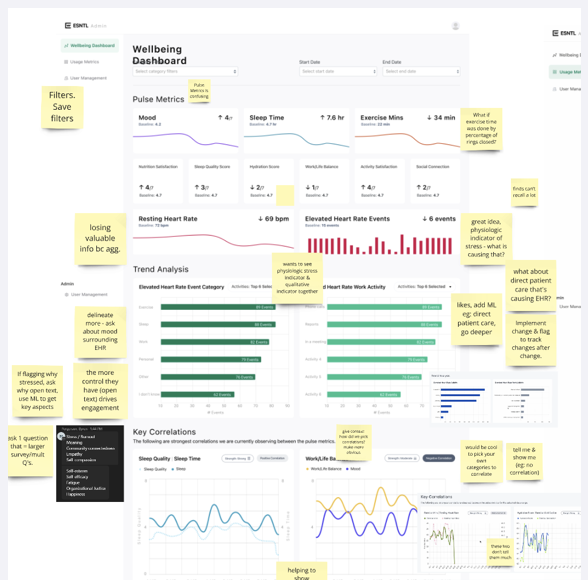
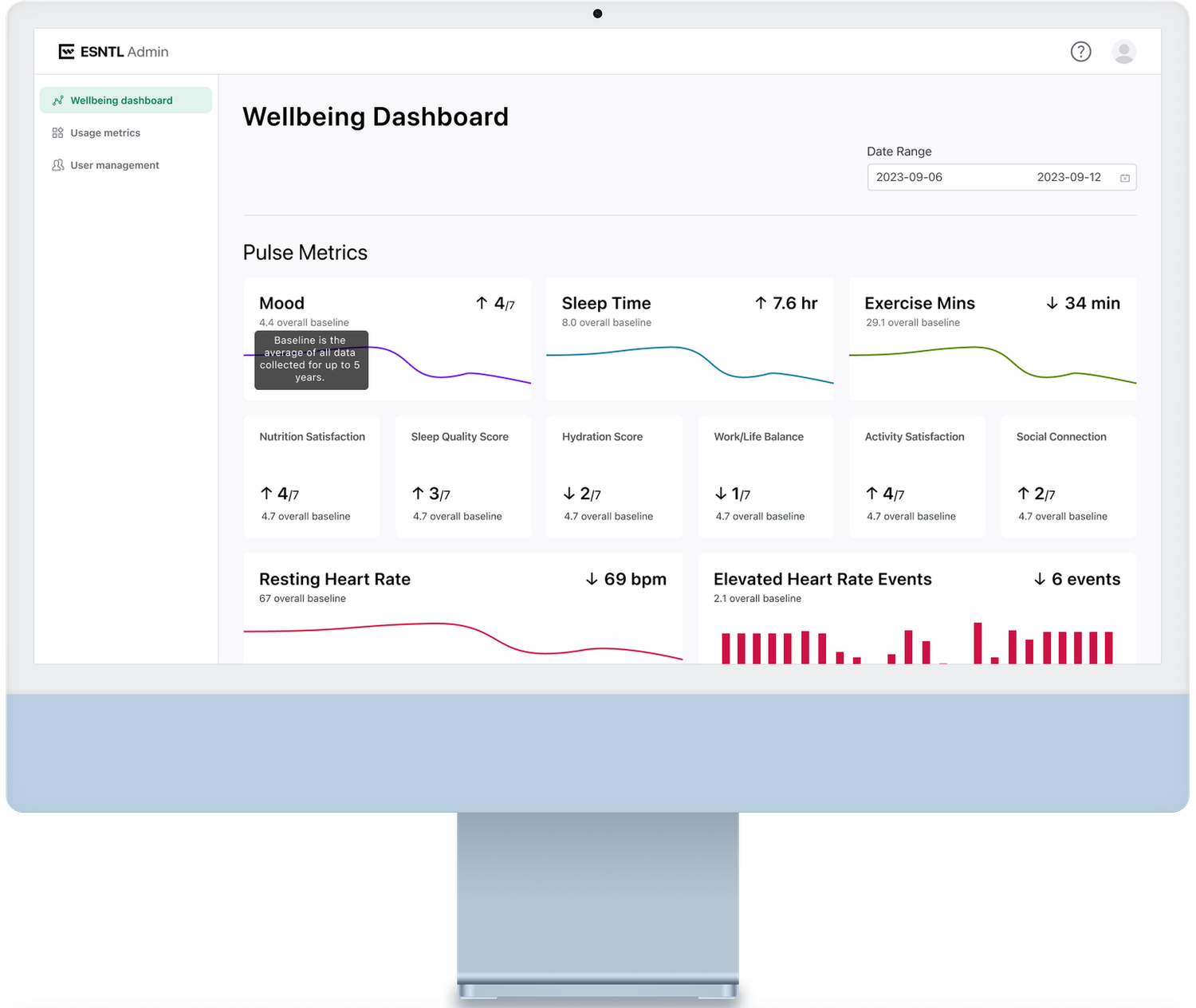
Administrator wellbeing dashboard
Wellbeing dashboard — an aggregate view of staff wellbeing that hadn't existed before.
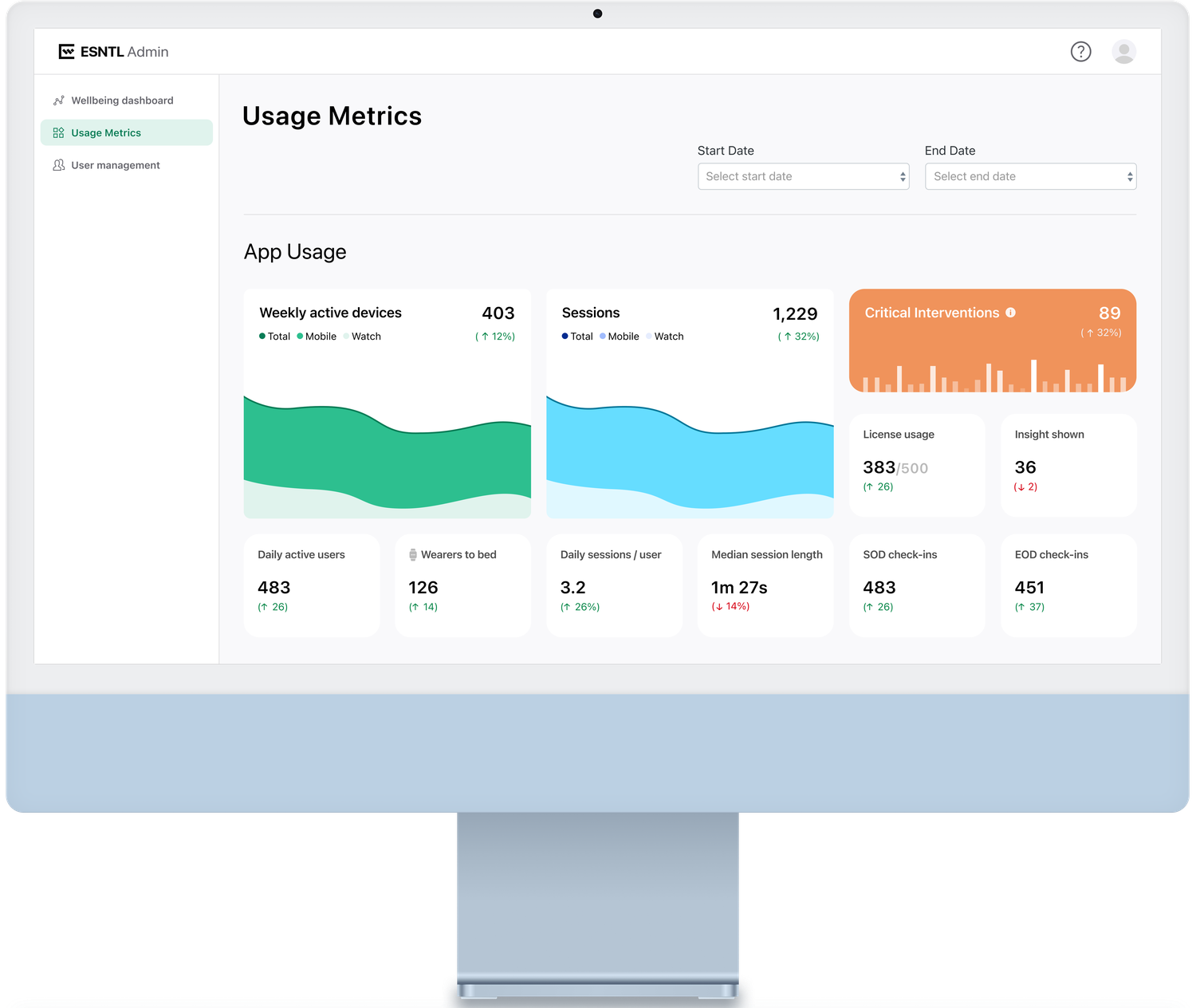
Usage metrics dashboard
Usage metrics — tracking adoption and engagement to guide the roadmap.

Building a product in a legacy consulting culture, with an Apple partnership and a global team

When I joined as design lead, the product team had a few sprints behind them, two deeply unhappy designers, and a delivery model still anchored in a legacy consulting mindset — features were being built to spec rather than to evidence. Retention and feature discovery were low.

Apple held all the customer relationships, so the team hadn't yet earned the trust to run its own research — and the team itself was globally distributed and majority Australia-based when I arrived. To ship something people loved, we needed a lean, product-centered team empowered to own and drive features from what we were learning, across two very different company cultures.

Building trust and a new way of working

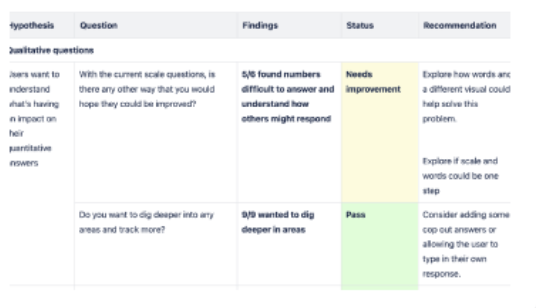
The most important contribution I made here wasn't a design decision — it was a process one. I made the case, consistently, that going through a proper product design process — research, validation, iteration — produces a better product than building to anyone's instincts alone. Earning the room to do that came down to trust:

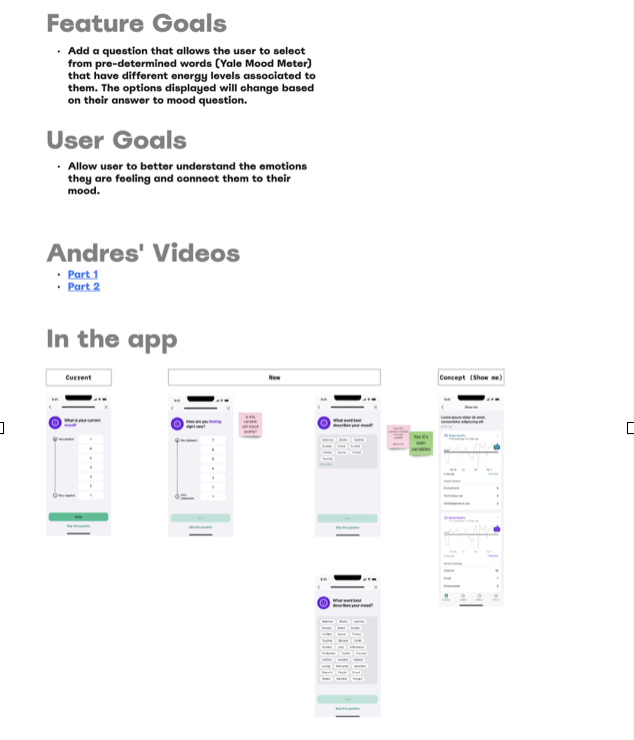
A product design review artifact mapping feature and user goals
Product Design Reviews — pressure-testing each feature's goals and iterations together.
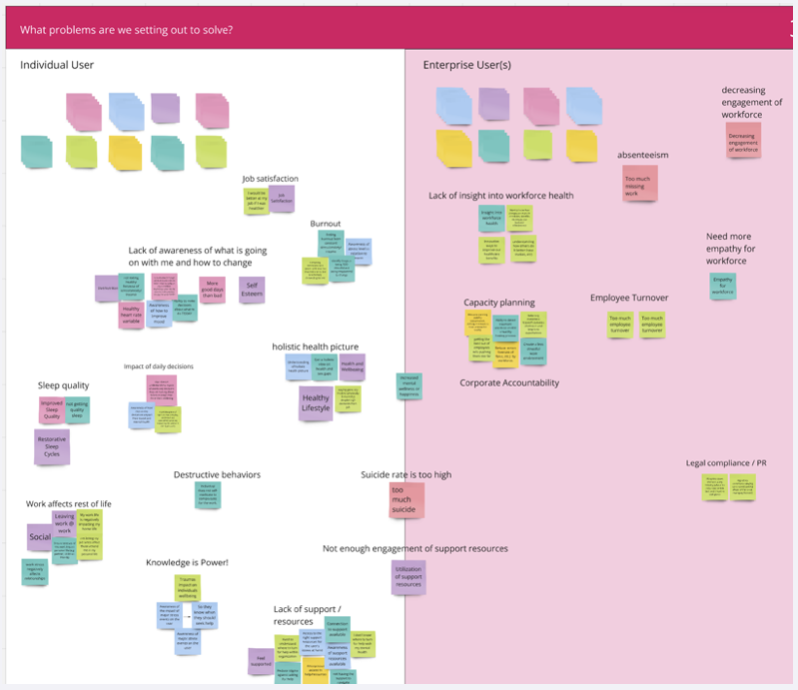
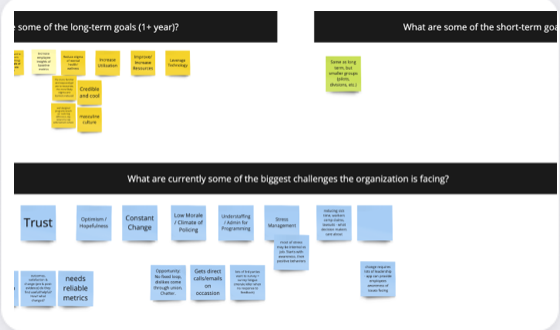
Design Vision Workshop board mapping problems for individual and enterprise users
Design Vision Workshop — aligning the team on the problems we were solving for individuals and the enterprise.

Shipped to 2,500 users across four countries

20%
Increase in 30-day retention from MLP launch to V1
2,500
Users across 4 countries — AUS, UK, USA & Canada
10%
Average increase in licenses purchased from MLP to V1
1,000+
Surveys gathered to guide iteration

From our survey base of 1,000+ users: 83% reported an increase in their effectiveness dealing with stress, 64% found the wellness resources useful, and 53% learned something new about themselves.

One result looked like a failure until we examined it: awareness of how habits and behaviors impact wellbeing dropped 7% over 90 days. Our hypothesis explained why — as users become aware of how their behaviors affect their wellbeing, they initially feel less aware, because they're discovering the gaps in their own understanding. The dip was a sign the product was working.

ESNTL was deployed across law enforcement, healthcare, fire & rescue, education, and enterprise — landmark partners including the San Diego Sheriff's Department (the first emergency-responder organization in the nation to pilot the platform), UC San Diego Health, Tualatin Valley Fire & Rescue, and the TASA school administrator network. Every pilot and early adopter wanted to continue and scale; the program was ultimately paused in July 2024 due to a Concentrix business restructuring — not performance. The product, the team, and the outcomes spoke for themselves.

Apple Concentrix San Diego County Sheriff's Department Tualatin Valley Fire & Rescue Northwell Health Mersey Care NHS Foundation Trust TASA — Texas Association of School Administrators City of Baton Rouge City of Warner Robins Endeavour Energy WellSpark Health

"I would point to the following tangible outcomes from Paige's leadership: improved relationship with Apple, clear product direction, clear timelines, improved delivery, clear documentation, and increased customer engagement and satisfaction."

— Stu McDiarmid, Head of Enterprise Sales, Apple

"ESNTL is fantastic and has enormous potential to change the way we approach the health and well-being of our healthcare workers."

— Dr. Byron Fergerson, UC San Diego Health

"I've learned [through ESNTL] to monitor stressful situations during the work day and deal with them productively — taking a break or meditating — versus letting them fester."

— Burke Whitmire, Tualatin Valley Fire & Rescue

Next Case Study

Generative AI Tools